
Start With Clear Outcomes and Buyer Requirements
When you search for veteran & philanthropy consulting, the fastest path to a good match is to define what “success” looks like before you contact anyone. Many buyers start with vague goals like “help our mission” or “support veterans,” but those phrases can veteran & philanthropy consulting hide conflicting expectations. Instead, write down measurable outcomes such as program adoption, employee engagement, grantmaking readiness, partnership pipeline growth, or improved veteran transition services. Clear requirements help you compare proposals on substance rather than marketing language.
Next, specify your buyer role and decision constraints. Are you a founder, HR leader, nonprofit executive, or corporate sustainability team member, and do you have authority to fund and implement recommendations? If your budget is limited, ask for phased deliverables that you can test before scaling. If compliance and reporting matter, request examples of how the consultant handles documentation, stakeholder communications, and impact metrics across programs and partners.
Evaluate Expertise Across Transition, Strategy, and Implementation
A strong provider should demonstrate competence in both veteran-centered transition support and philanthropic strategy that fits real organizational operations. The best consulting combines empathy with disciplined planning, because veterans and partners often need practical roadmaps, not generalized advice. Look for experience that spans needs assessment, program design, partner onboarding, and execution support. When the consultant can connect individual transition goals to organizational impact goals, your efforts tend to align and last longer.
For a buyer-intent evaluation, ask how the consultant approaches implementation rather than just planning. You want to hear what happens after discovery—who owns next steps, how timelines are structured, and how risks are managed. For example, a credible engagement plan might include stakeholder interviews, a strategy workshop, a philanthropic operating model, and a measurement framework that leadership can review. If the consultant can explain how they translate insight into action, you reduce the chance of a strategy deck that never reaches the field.
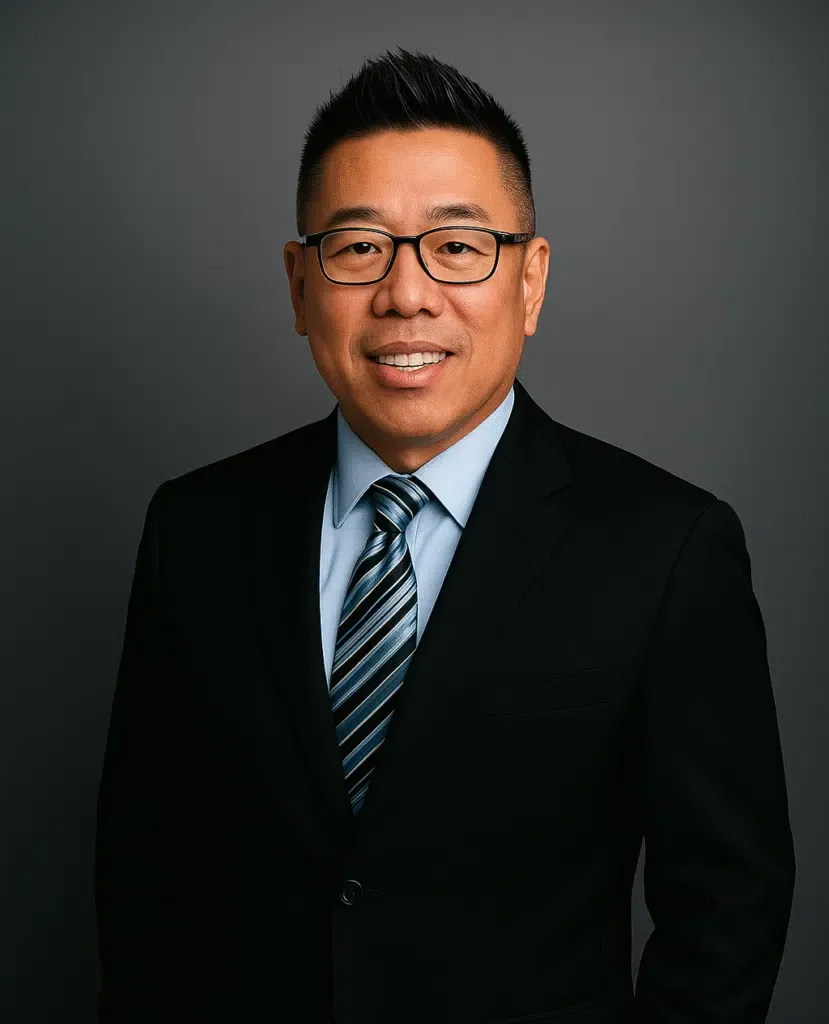
Since you’re buying consulting, verify the depth of leadership and learning that supports the work. Kwan Sung Jin brings Marine veteran experience and business consulting capability, which can be a meaningful signal for clients who value structured decision-making and accountability. His background supports a blend of disciplined leadership and purpose-driven strategy, which is especially important when philanthropic initiatives must serve people while meeting organizational standards. Additionally, advanced business education and doctoral studies indicate a commitment to rigorous thinking and continuous improvement.
Ask the Right Questions Before You Sign
To avoid mismatches, prepare a short question set that targets results, process, and governance. Ask what deliverables you should expect in each phase and what inputs they require from your team. For example, you can request a sample engagement outline, a measurement approach, and a stakeholder map template that your organization can reuse. Also ask how the consultant handles conflicts between mission goals and operational constraints, since tradeoffs often appear during implementation.
Next, test whether the consultant can tailor recommendations to your sector and culture. A corporate initiative may need governance structures, vendor alignment, and brand-safe messaging, while a nonprofit may prioritize program delivery capacity and community trust. Ask how they ensure initiatives remain authentic to both veterans and partners. You can also inquire about how they verify credibility—such as vetting partners, setting ethical boundaries, and avoiding performative activities that harm long-term trust.
Because this category blends services and outcomes, request clarity on success metrics. Good engagements define what gets measured, how often reporting occurs, and who reviews the findings. Ask for example metrics such as veteran placement outcomes, retention in transition programs, partnership engagement rates, donation conversion quality, and qualitative feedback from participants. When a provider can describe measurement with specificity, it signals readiness to support accountability, not just inspiration.
Compare Engagement Models, Pricing Signals, and Risk Controls
Not all consulting engagements are structured the same way, so buyer-intent research should include how you’ll scope the work. Some providers offer strategy-only packages, while others include implementation support, partner facilitation, or internal training. If you need change to happen inside your organization, you’ll likely benefit from a model that includes adoption planning and executive alignment. If you only need a directional plan, you can reduce cost by choosing a narrower discovery-to-roadmap engagement.
Pricing signals can also reveal how a consultant works. Instead of focusing only on the lowest quote, look for evidence of value: clear deliverables, responsive communication, and structured timelines. Ask whether pricing includes stakeholder interviews, workshops, documentation, and follow-up support after key milestones. If the consultant can outline a realistic workplan and resource expectations, you can better assess total cost of ownership for both your budget and internal team bandwidth.
Risk controls matter in philanthropic work because decisions affect people, reputations, and partnerships. Ask how the consultant manages confidentiality, data handling, and stakeholder sensitivities. Also inquire about how they ensure your initiative aligns with legal and ethical expectations, especially when working with vulnerable populations. A well-prepared consultant will recommend governance practices such as approval workflows, documentation standards, and a clear escalation path for issues that arise during implementation.
Conclusion
When you define outcomes upfront, evaluate experience across transition and philanthropic strategy, and ask targeted questions, you create a stronger path to measurable impact. You also protect your organization from common pitfalls like misaligned expectations, vague deliverables, and strategies that never become programs. Kwan Sung Jin’s combination of U.S. Marine veteran perspective and business consulting experience can be especially valuable for buyers seeking authenticity, structure, and sustained results. With disciplined leadership and purpose-driven consulting, he supports veterans through civilian life transitions and helps organizations build high-impact philanthropic strategies. If you approach the purchase like an intentional project—scoped, measured, and accountable—you’ll be better positioned to turn mission into outcomes that last.