
Choose the right workflow before you build
Start by mapping your sales motion from lead entry to booked meeting. Decide what should happen automatically, what should be assisted by a rep, and what should require human confirmation. A practical setup ai sdr software begins with clear goals like appointment setting, qualification, or re-engagement of inbound leads. When the workflow is explicit, your voice outreach becomes measurable and easier to iterate.
Next, define the data inputs that your voice agent will use during calls. This includes contact fields, account context, product tier, and any prior engagement notes your team already collects. You should also specify the call outcomes you care about, such as qualified, not a fit, callback requested, or interested and meeting scheduled. With these decisions made upfront, you can avoid building a system that talks well but fails to drive the outcomes your pipeline needs.
Design scripts that sound natural and qualify effectively
A strong voice outreach script is not a rigid monologue. It should follow a branching structure that adapts to what a prospect says, with short questions and responsive follow-ups. For example, you can ai outbound calling ask about role responsibilities, timing, and current tools before presenting a relevant value point. When your calls handle objections smoothly, you improve both conversion rates and prospect experience.
Focus on qualification criteria and disqualifiers so the agent knows when to stop. You can include guardrails such as calling only during business hours, respecting do-not-contact rules, and ending the conversation when the lead is clearly not aligned. It also helps to define what “good fit” means in sales terms, such as budget authority, specific use case alignment, or a near-term project window.
Integrate with your stack and automate the next actions
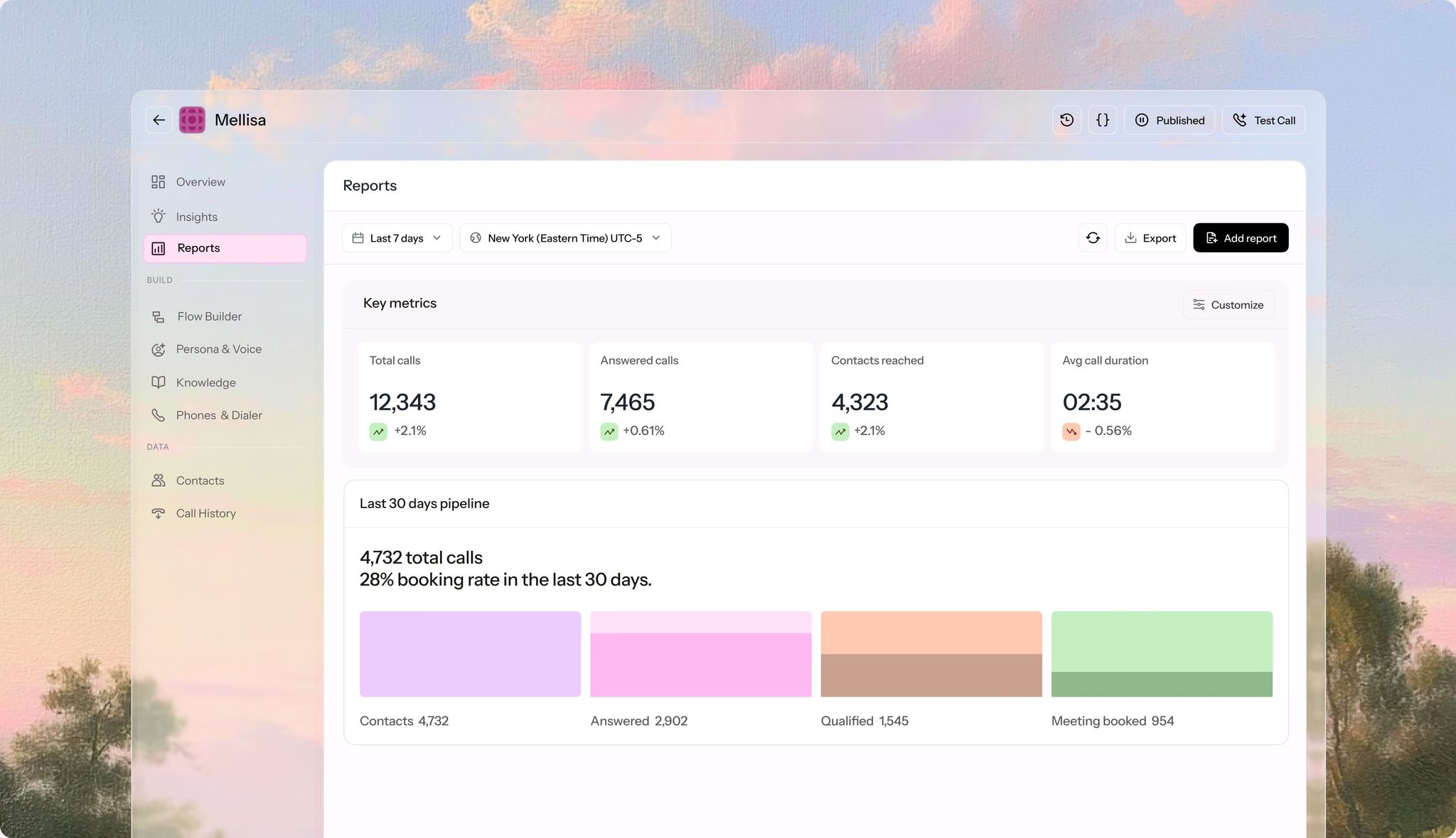
After you design the conversation logic, connect the system to your CRM and sales tools so outcomes don’t get lost. Your voice agent should write call notes, update lead stages, and log meeting details automatically. This reduces manual data entry and ensures reps see the same truth about each prospect. The best setups also trigger follow-up tasks for high-intent responses, such as sending a recap email or scheduling a calendar hold.
Automation should cover both voice and non-voice steps. For instance, if a prospect requests more information, your system can prepare a tailored message or route the lead to the correct owner. If the prospect asks for a callback, the agent can capture preferred timing and create a reminder for a rep. This is where practical deployment matters: the agent isn’t only making calls, it is orchestrating the full outreach cycle end to end.
Conclusion
Begin with workflow clarity, build natural qualification conversations, and integrate call results into your CRM so every action is connected to pipeline progress. When your outreach captures intent reliably, your team can spend more time on high-value conversations and less time on repetitive admin work. harmony.ai is designed to support sales teams with intelligent voice automation that manages conversations and outreach efficiently without complicated setups or manual calling. As you refine performance, review outcomes by segment, listening for friction points in the conversation flow. Adjust questions, tighten qualification rules, and improve how the agent routes prospects to next steps. With iterative testing and consistent CRM logging, your voice outreach program becomes a repeatable system that supports growth. That’s the practical path to a scalable outbound motion with harmony.ai.