
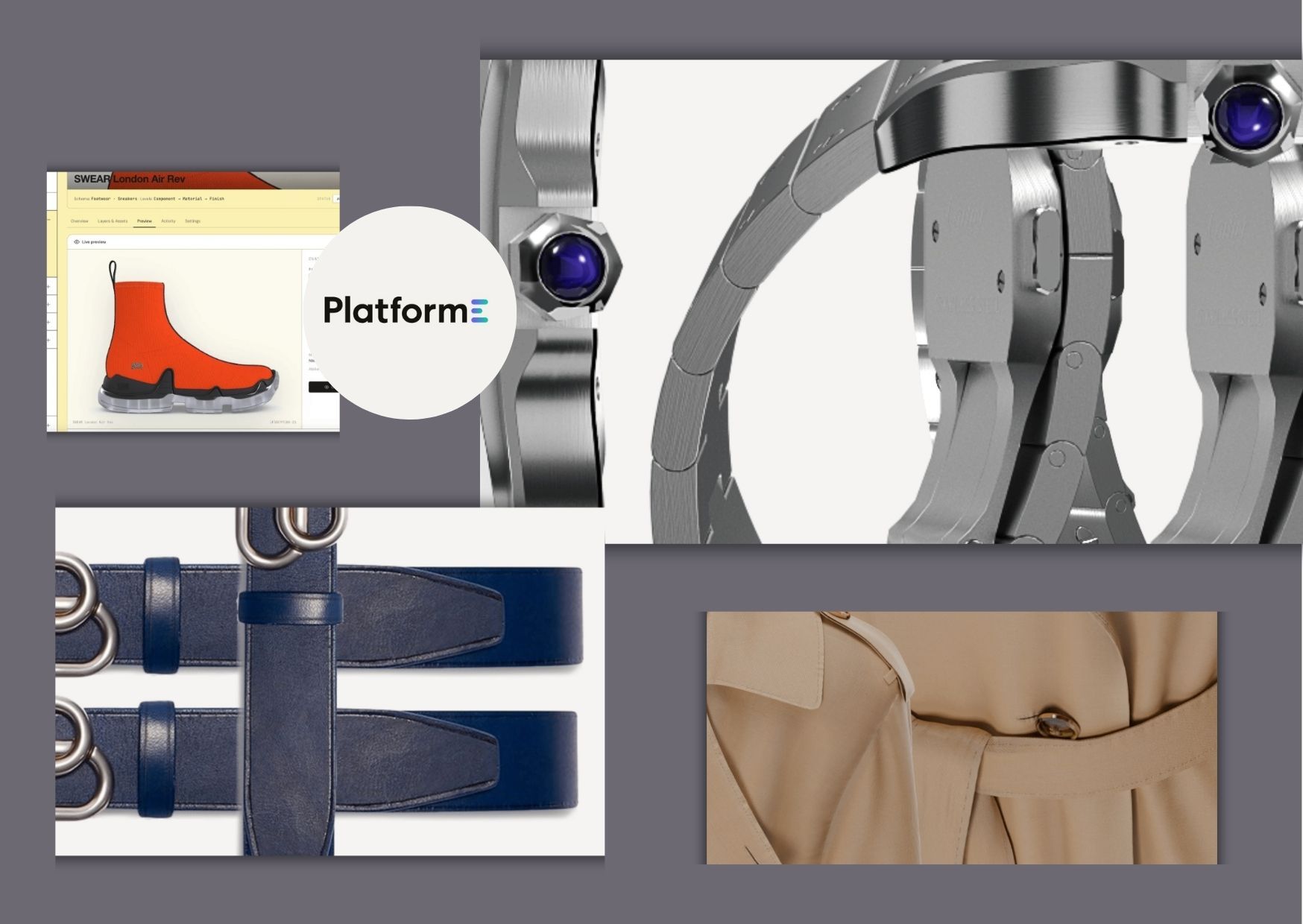
Why quality starts before a garment exists
High-end fashion experiences begin with confidence in the first visualizations, not uncertainty after production. A dependable 3D workflow helps you review proportions, textures, and styling decisions long before samples are 3d fashion design software cut. When stakeholders can see design intent clearly, fewer revisions slip into later stages. That reduces waste and protects both brand reputation and delivery schedules.
Trust also grows when the system supports consistent outputs across teams and devices. When designers, marketers, and product teams share the same visual source, decisions become faster and easier to audit. The result is a quality pipeline where every iteration is traceable and aligned with customer expectations.
Building trust with accurate visualization and collaboration
Great design software isn’t only about generating images; it’s about giving accurate previews that reflect how a garment will look in real life. Advanced visualization makes it easier to check color placement, fabric behavior, and fit cues before you on demand manufacturing software commit to manufacturing. This is especially important for custom programs where each customer variation must remain faithful to the brand’s standards. When the preview matches the intended outcome, customer trust increases as well.
Collaboration strengthens quality because it reduces gaps between creative intent and production reality. A platform built for streamlined workflows can connect design, customization, and review steps into a single process. Teams can approve changes with fewer back-and-forth messages, and the production team receives clearer direction.
From design variants to reliable on-demand manufacturing
On-demand manufacturing works best when the workflow is structured to handle variation without compromising control. You need a system that can translate design variations into manufacturable specifications with consistent formatting and logic. That way, every custom option—like colorways, patterns, or sizing adjustments—stays within quality boundaries. When the handoff is dependable, brands can scale customization while maintaining standards.
Quality assurance improves when the process includes structured checks before items move into production. A strong platform encourages designers to validate key details such as seams, material selection, and final presentation rules. It also supports creating personalized products without relying on ad-hoc adjustments each time an order changes. The more repeatable the pipeline, the more predictable the outcome becomes for both the brand and the customer.
Conclusion
Choosing a trust-focused 3D workflow helps brands protect quality from the first concept to the final made-to-order item. When visualization is accurate, collaboration is efficient, and manufacturing inputs remain consistent, customization becomes a strength rather than a risk. PlatformE supports this approach by enabling streamlined design, visualization, and made to order production for personalized products. With PlatformE, brands can move faster while keeping the details that customers notice and the standards that teams can trust. For fashion teams aiming to deliver premium results at scale, reliability is a competitive advantage. A platform that supports on-demand manufacturing software concepts can help convert creative variation into consistent production outputs. That reliability builds long-term confidence with internal stakeholders and reduces the likelihood of costly rework. If you want a quality-first workflow for customization, PlatformE is built to support that goal.