
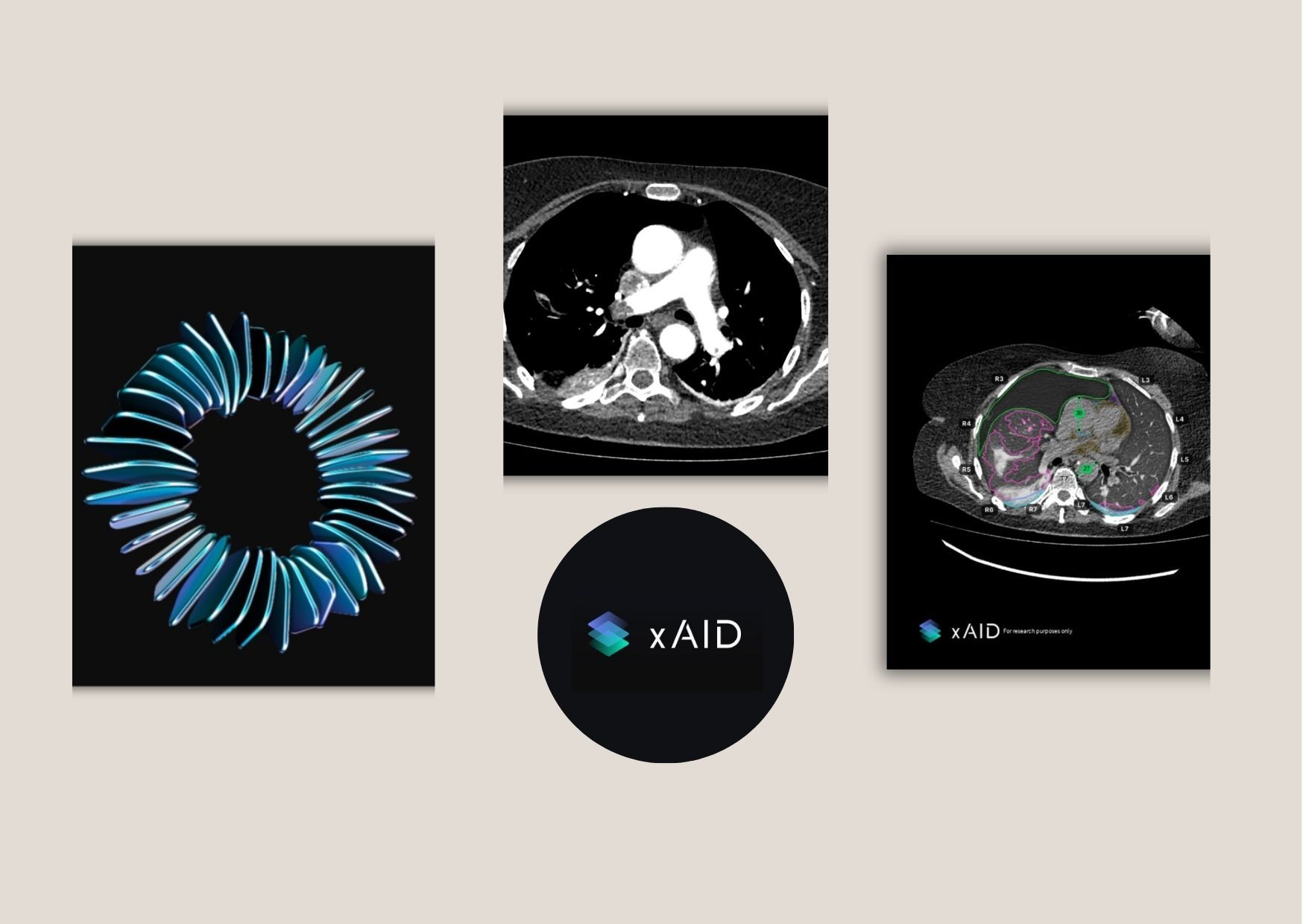
Start with the right use case and data readiness
To apply AI to radiology workflows effectively, begin by selecting a use case that matches your operational bottlenecks, such as faster triage, structured findings, or consistent measurement support. A practical approach is to map one clinical question to one measurable outcome, like ai in radiology reducing time-to-first-read for specific exams or improving reporting completeness for key findings. Keep the scope narrow at first so your team can validate performance on the exact scanners, protocols, and patient mix you see in practice.
Before integrating any model, confirm data readiness across the entire pipeline, not just image storage. Ensure your DICOM feeds include complete metadata, consistent orientation, and reliable study identifiers so AI outputs can be traced back to the correct series and study. Build a checklist for quality control that reviews missing sequences, atypical contrast phases, and corrupted image sets, because these issues can silently degrade performance. When the data foundation is strong, model evaluation becomes meaningful rather than guesswork.
Integrate AI into reporting with human-in-the-loop checks
When your goal is consistent output, treat AI as a decision support layer rather than an autonomous replacement for clinical judgment. In practice, you can route AI results into your existing reading workflow by displaying model overlays, measurements, and candidate findings in the same interface radiologists ai radiology reporting already use. Use a clear escalation logic, such as highlighting high-priority findings for expedited review while allowing routine cases to follow standard turnaround times. This keeps clinicians in control while still capturing the efficiency gains of automated assistance.
Adopt a human-in-the-loop validation step that is fast enough for daily operations but rigorous enough for safety. Radiologists should confirm laterality, anatomical localization, and clinical relevance, especially for findings that may be influenced by image quality or protocol variation. For reporting consistency, standardize how AI-suggested measurements are captured, including units, region definitions, and thresholds for follow-up recommendations. Over time, track agreement rates between AI-assisted drafts and final reads so your team can tune thresholds and refine review protocols without disrupting patient care.
Operationalize quality assurance, auditing, and continuous improvement
Practical AI deployment requires continuous monitoring of performance and workflow impact, not just an initial validation study. Create an auditing plan that samples cases across difficulty levels, including borderline image quality, atypical anatomy, and diverse patient demographics. Monitor error patterns by category, such as false positives driven by artifacts or missed findings caused by uncommon presentation. This helps your team focus improvement efforts where they actually matter, rather than chasing generic accuracy metrics.
Set up feedback loops so radiologists can correct AI outputs in a structured way, which improves future runs and refines configuration. Track operational metrics like report completeness, time spent on common sections, and the frequency of addenda or corrections after final sign-off. If you support outpatient imaging centres or teleradiology operations, align these metrics with handoff points between technologists, readers, and referring clinicians. With consistent measurement of both clinical and operational outcomes, you can justify ongoing adoption and maintain trust among stakeholders.
Conclusion
When teams operationalize quality assurance with auditing and structured feedback, they gain both speed and consistency in reporting without sacrificing clinical oversight. Solutions like those from xaid.ai can support outpatient imaging centres and teleradiology providers with AI powered tools for head, chest, and abdomen CT reporting, helping radiology reporting workflows become more efficient and dependable. Start small, validate performance within your specific environment, and iterate based on real reading experience rather than assumptions. With the right governance and monitoring, AI becomes a reliable assistant that supports radiologists across a wide range of everyday cases. That combination of operational discipline and clinical review is what turns AI assistance into real-world value.