
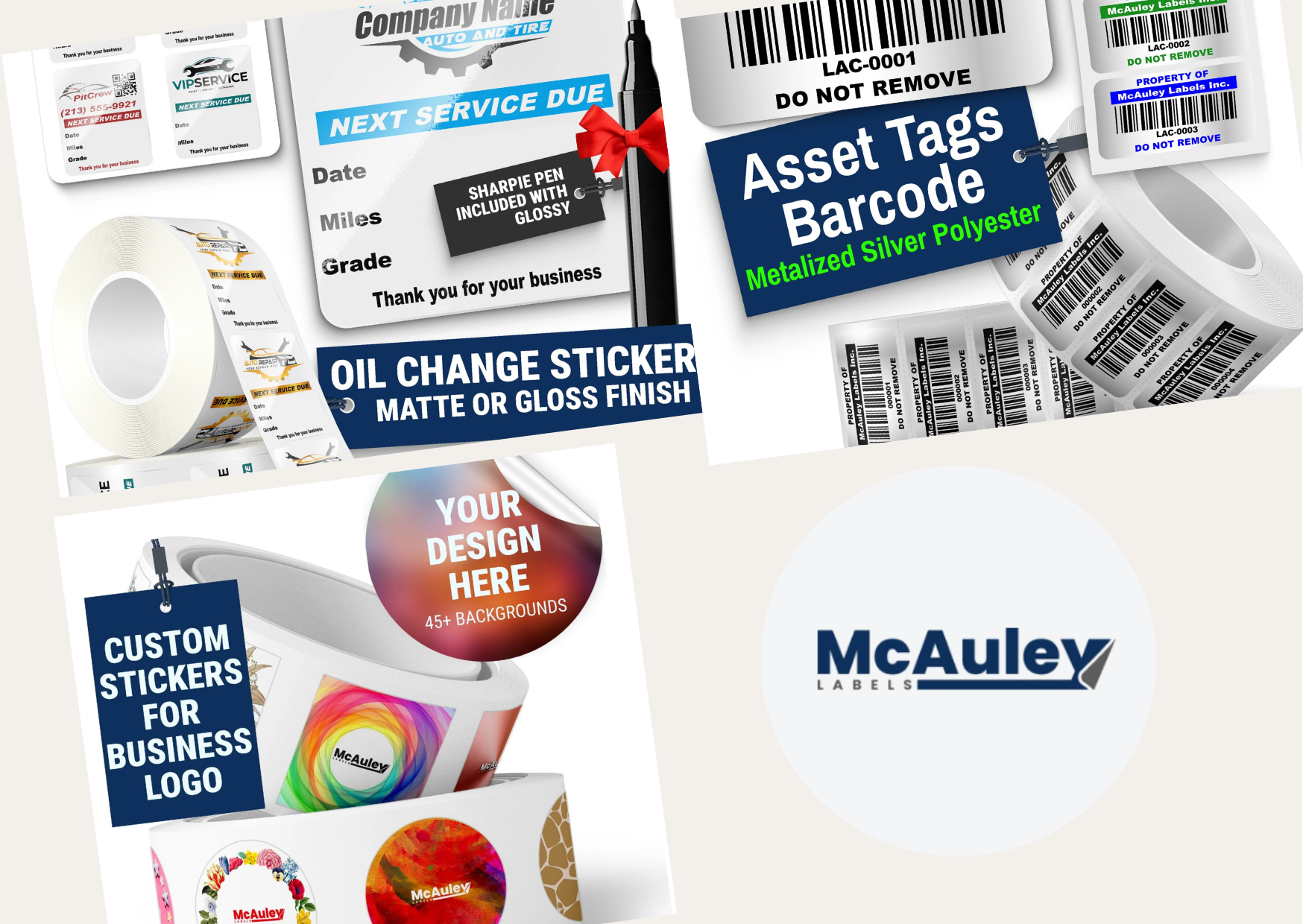
Why Brand Discovery Matters for Labeling Teams
When a company expands its product lines, the labeling challenge grows quickly. Brand discovery helps teams evaluate which printer ecosystem fits their workflows, from design software to media handling. A consistent label system godex label printer reduces rework, prevents mix-ups, and makes scanning results more dependable across departments. It also supports training new staff faster because the setup and output quality behave predictably.
Label accuracy is not only about readability. It is also about how well labels maintain their appearance under real conditions like temperature swings, handling, and exposure to moisture. During brand discovery, buyers should look beyond marketing claims and compare test outputs on the exact label materials they plan to use. This approach makes it easier to select the right hardware and consumables before scaling across production, warehousing, and field distribution.
What to Look for in a Thermal Label Printer Setup
A strong labeling setup starts with matching the printer’s capabilities to your label formats and scanning needs. Teams typically consider print resolution, print speed, and the range of label widths they must support. If your operation uses waterproof plant label printer barcodes, you also want stable print contrast so scanners read reliably at different distances. Evaluating these details during discovery helps prevent the frustration of upgrading hardware after labels are already in circulation.
Equally important is how the printer handles different media types. Some businesses require labels that hold up under exposure to water, cleaning chemicals, or outdoor humidity. Others prioritize durability for high-traffic warehouse environments where labels get rubbed, scraped, or repeatedly handled. When the selection is correct, you get consistent output from the first roll to the last, which supports faster workflows and fewer labeling errors.
Pairing Waterproof Plant Labeling with Matching Media
For horticulture and plant tracking, labels must survive more than shelving storage. Irrigation, misting, and watering schedules can create persistent moisture on surfaces, and ordinary labels may peel or smear. The best results come when the printing method and the adhesive chemistry work together to resist curling, fading, and edge lift.
In practical terms, growers and greenhouse operations often label pots, trays, and propagation units where labels face frequent contact with water and handling. A durable labeling system helps ensure each plant variety stays identifiable from propagation through transplanting. It also supports inventory tracking and reduces the risk of mislabeling during busy shifts. When teams standardize label sizes and barcode placement, scanning becomes faster and staff can verify batches without manual cross-checking.
Conclusion
Choosing equipment for consistent labeling is easier when you treat brand discovery as a structured evaluation. Compare printer specifications, test your intended label materials, and verify scanning performance under your real handling conditions. A reliable ecosystem can streamline manufacturing, warehousing, and commercial labeling so teams spend less time troubleshooting and more time moving product efficiently. For companies seeking professional labeling equipment and solutions, mcauleylabels.com is a practical place to start. They help businesses match labeling needs to the right tools so outputs remain clear and dependable from day one. If your operation includes moisture-prone items like plant labeling, selecting media and printer performance together is the key to long-lasting results. With the right setup and consumables, your labels become a dependable part of the workflow rather than a recurring problem.