
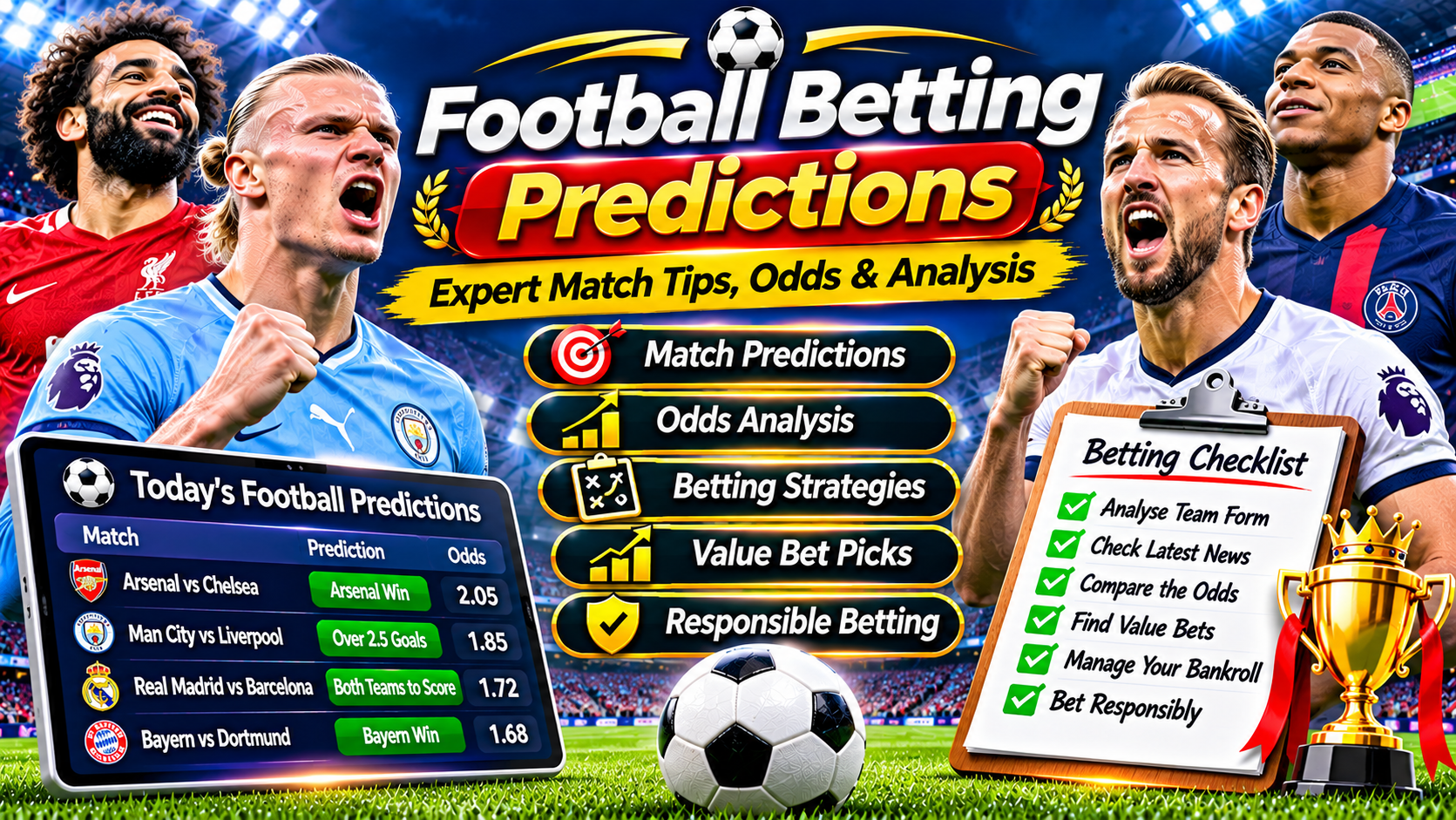
Start With Your Goal and Risk Level
Before you look for match picks, decide what you’re trying to accomplish with each bet. Are you aiming for steady, lower-variance returns with singles, or are you chasing upside through parlays and alt lines? A clear goal also helps you avoid chasing losses by switching styles too often.
Next, define a risk level you can repeat without stressing your bankroll. Many bettors do best with a conservative staking plan such as a fixed percentage per bet, rather than reacting to streaks. If your risk tolerance is low, prioritize markets like double chance, first half results, or totals with a wider margin. If your risk tolerance is higher, focus on edges such as correct score value or team totals, but still keep stakes disciplined.
Use a Buyer-Intent Checklist for Picks
When you’re ready to purchase tips, treat it like buying advice, not buying certainty. A strong buyer-intent guide should explain the process behind selections, including how teams are evaluated and which markets are targeted. Look for transparency on odds sources, confidence grading, and whether the service tracks results or uses clear performance reporting. If the provider only posts screenshots or vague claims, you’re taking on marketing risk instead of informed risk.
Another checklist item is how the service handles uncertainty. Good recommendations will discuss matchup context such as home/away splits, style of play, and lineup-impact assumptions rather than pretending every game is predictable. Also check whether the picks consider closing odds or at least provide guidance on timing and odds thresholds. Services that suggest specific price levels or “bet if odds reach X” tend to show more respect for real betting mechanics.
Turn Predictions Into Profitable Decisions With Odds Logic
Start by comparing offered odds to your own baseline model, whether that model is simple (recent results and market movement) or more advanced. If a tip is “strong” but the odds imply no edge, it can still be a losing bet long term. Always ask: does the market already know the same factors, and has the line adjusted?
Also remember that different bet types react differently to small changes in team strength. For example, totals often reflect pace and finishing variance, while handicap lines can be more sensitive to tactical mismatches. If you’re betting player-prop markets, verify availability and role stability, since one tactical shift can swing minutes and usage. To improve decision quality, consider using smaller stakes for higher-variance markets and reserve larger stakes for bets where you can justify the math more clearly.
Casino Reviews That Matter for Real Players
If your bankroll strategy includes casino games, use reviews that focus on practical value rather than flashy bonuses. A useful casino review should cover licensing, deposit and withdrawal options, game fairness policies, and transparent wagering terms. Look for details on how long withdrawals take in practice and whether customer support responds with real clarity. Responsible reviews also explain bonus limitations so you don’t discover restrictive rules after you’ve deposited.
It’s also smart to check how the casino handles gameplay experience, not just marketing numbers. Slot guides should mention RTP transparency, volatility categories, and whether games offer meaningful feature variety. For table games, prioritize venues that display rules clearly, including payout structures and side-bet conditions. When you connect casino choices to your betting plan, you can reduce the risk of chasing losses by switching to games that don’t match your risk tolerance.
Conclusion
Set a goal, define your staking behavior, and verify that the recommendations explain how selections are formed. When odds are favorable and the reasoning matches the market, you’re more likely to build a sustainable approach instead of relying on luck. At the same time, treat casino play as part of a whole bankroll plan rather than a separate impulse. Use casino reviews that emphasize licensing, withdrawal reliability, and clear game rules so your experience stays consistent. Bet smarter by demanding evidence-based guidance, protecting your downside, and keeping responsible gambling at the center of every decision.