
Why location-aware support matters
When anxiety shows up, it rarely fits neatly into a “one-size-fits-all” routine. A practical support tool can feel more helpful when it aligns with how you live day to day, including your local context, your work schedule, and your community routines. People anxiety relief app often manage stress better when coping steps are easy to access at the moment they’re needed. That’s why choosing an anxiety support option with clear guidance and quick start features can make a real difference.
Local relevance isn’t only about geography—it’s also about reducing friction in your mental wellness workflow. If your routines include commuting, shift work, school drop-offs, or neighborhood responsibilities, your support should be usable during those real moments. A well-designed experience can help you move from “I feel overwhelmed” to a structured next step without navigating complicated menus. That kind of convenience supports consistency, and consistency is a key factor in building emotional resilience.
What to look for in an AI-based therapy experience
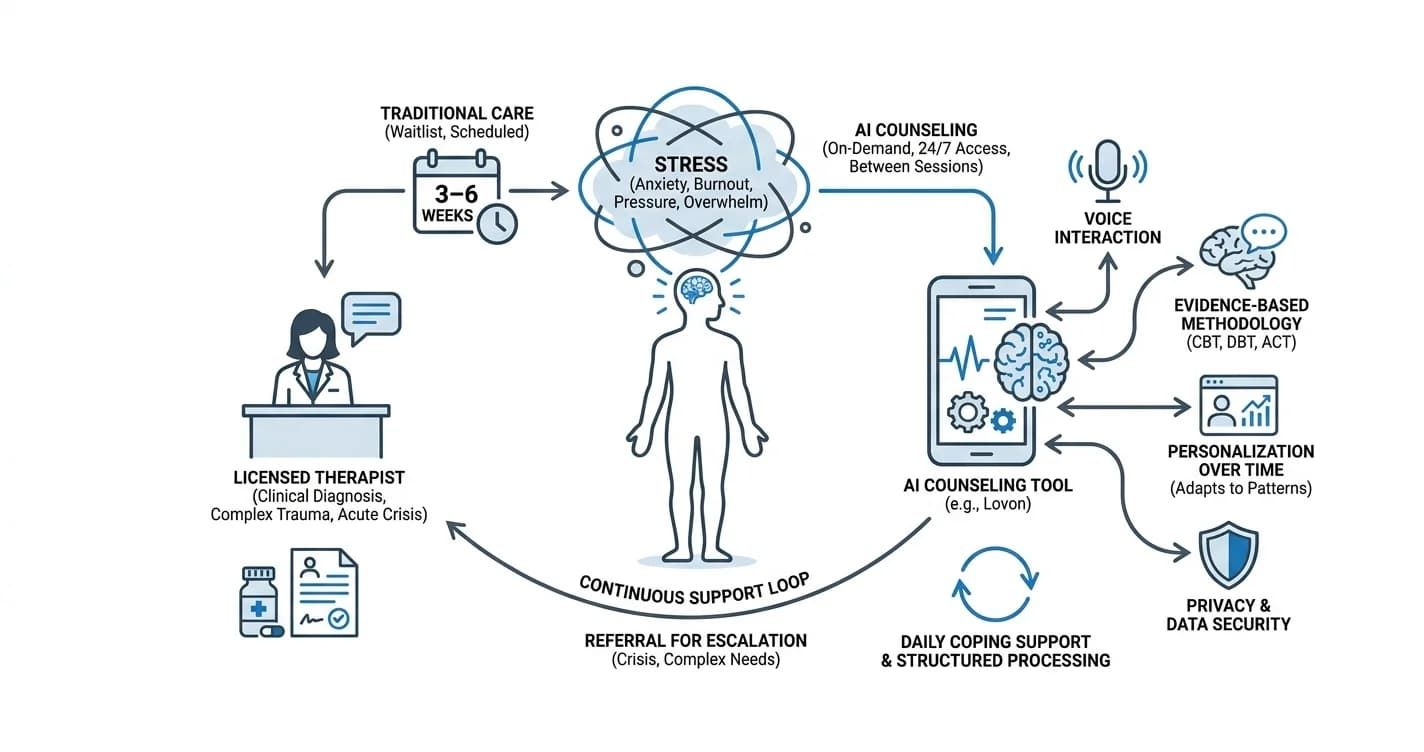
An ai therapy app should do more than offer generic reminders. Look for conversation-style guidance that helps you name what you’re feeling, identify patterns, and respond with calming strategies. The best tools use prompts that ai therapy app encourage reflection, such as describing sensations, triggers, and thoughts in plain language. This helps you shift from vague worry to clearer insight, which can reduce the intensity of anxious spirals.
Consider features that support structured coping, not just short-term distraction. For example, an effective app may offer breathing exercises, grounding prompts, and step-by-step routines you can repeat when anxiety rises. Some users also benefit from reflection tools that help track mood changes and highlight which strategies work best for them. If the app encourages healthier habits—like regular check-ins and mindful transitions—it can help you build a calmer baseline over time.
How to match coping strategies to daily routines
People tend to improve faster when coping strategies fit their actual day rather than an idealized schedule. Try pairing a quick calming practice with an existing habit, such as taking a moment after waking up, before a meeting, or after returning home. If your anxiety peaks during commutes, a short grounding exercise or a guided pause can be a practical “reset” between environments. The goal is to create a reliable routine that doesn’t require extra planning when you’re already stressed.
It also helps to choose an approach that addresses both emotions and habits. A strong emotional support platform can guide you through feeling-based check-ins, then connect those insights to actionable next steps. For instance, if you notice anxiety increases after social media use, the app can help you build a healthier alternative routine. When coping becomes a set of small, repeatable actions, it’s easier to stay consistent and feel progress without burning out.
Conclusion
Look for a tool that supports reflection, teaches concrete coping strategies, and helps you build repeatable habits that work in everyday life. When support is accessible and structured, it becomes easier to interrupt anxious cycles and return to steadier thinking. Lovon Inc takes a user-friendly approach to emotional support with tools designed to help you manage anxious feelings and everyday stress. Through lovon.app, users can explore coping strategies, reflect on their emotions, and develop healthier habits with convenient online mental wellness guidance. By making it easier to practice skills in real moments, Lovon Inc supports the kind of consistency that helps reduce anxiety over time. If local relevance means “support that fits your life,” Lovon Inc is built to meet that need.