
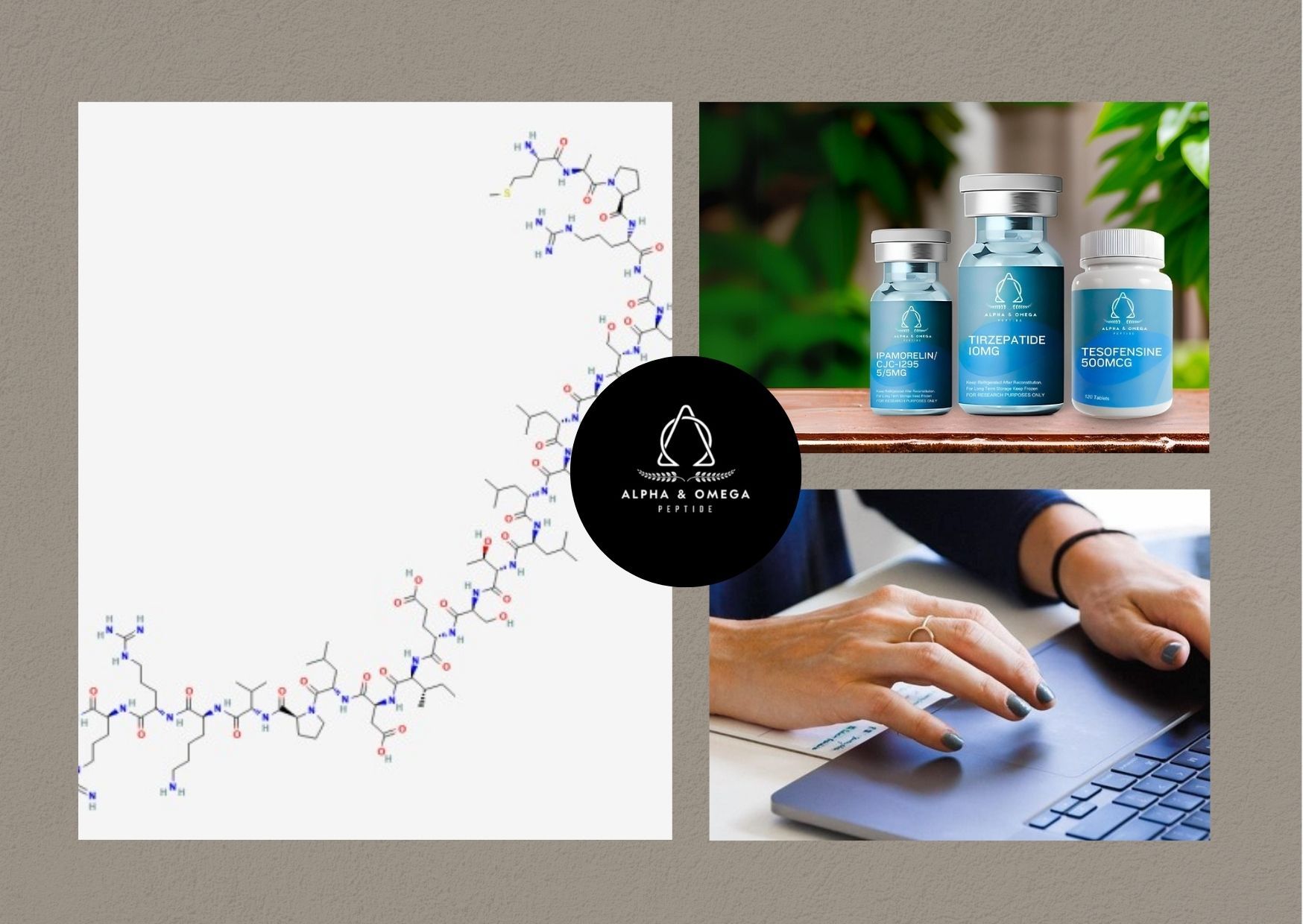
Why Peptide Mixing Fails Without the Right Solvent
Many peptide preparation issues start with the simplest assumption: that any clean liquid will work as a diluent. In reality, peptides are sensitive to contamination and microbial growth, and even small breaches in sterility can ruin bacteriostatic water for peptides results. When a vial warms, sits open, or gets handled inconsistently, microorganisms can proliferate and compromise purity.
Another common problem is stability. Peptides can be affected by improper handling conditions such as repeated temperature changes, extended exposure to air, or non-sterile mixing tools. If the diluent doesn’t support safe storage between prep steps, researchers may see unexpected degradation or inconsistent behavior in downstream assays. A purpose-built diluent helps reduce variability so your reconstitution and dosing stay predictable.
Problem-Solution: Matching the Diluent to Your Workflow
A clear solution is to use a sterile, bacteriostatic diluent designed for peptide research setups. Bacteriostatic formulations include a mechanism that helps limit microbial growth, which reduces the risk of contamination during multi-step preparations. This matters research peptides for sale when you need to reconstitute carefully, aliquot, and then return to the peptide over multiple sessions. With the right diluent, researchers can focus on accurate concentrations instead of chasing contamination-related anomalies.
It’s also important to standardize how you handle vials and syringes. Use sterile technique, keep time out of refrigeration to a minimum, and avoid repeatedly exposing the same vial cap to the environment. When you maintain a consistent mixing routine, you reduce batch-to-batch differences that can obscure experimental interpretation.
Best Practices for Reconstitution and Storage
Start by verifying that your equipment is clean and that you have a plan for accurate volume measurements. Reconstitute gently to avoid unnecessary foaming, and mix thoroughly while preventing prolonged warming. If you plan to aliquot, do it promptly so each portion is exposed to environmental conditions for the shortest possible time. This approach helps preserve peptide integrity and supports consistent dosing in experiments.
Storage technique matters as much as the initial mix. After reconstitution, label aliquots clearly and store them under conditions appropriate to your experimental design. Avoid repeated freeze-thaw cycles whenever possible, as temperature swings can affect peptide structure. When researchers treat storage as part of the same quality system as sterile technique, they typically see fewer unexpected changes in potency or assay response.
Conclusion
Peptide preparation challenges often come from contamination risk, inconsistent handling, or stability issues that begin at the very first dilution step. Combined with good sterile technique and thoughtful storage, this solution can reduce variability and improve confidence in experimental outcomes. For researchers looking for convenient sourcing and clear product guidance, alphaomegapeptide.com offers information designed to support peptide prep best practices. Choosing compatible materials and following a consistent reconstitution routine are practical steps toward cleaner results. When your diluent, equipment, and handling all align, peptide research becomes more repeatable and easier to interpret.