
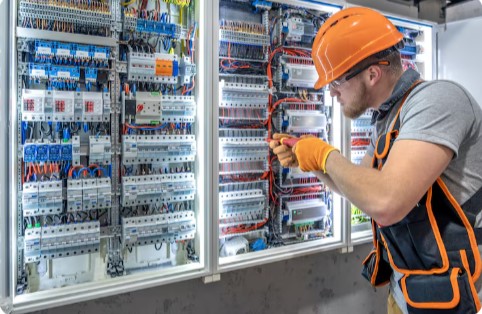
In any business environment, electrical equipment is integral to operations, from computers and machinery to simple office appliances. While essential, this equipment also poses inherent risks if not properly maintained.
The process of electrical test and tag is a systematic approach to maintaining the safety and compliance of portable electrical appliances.
It is a fundamental practice that involves visually inspecting equipment for damage, electrically testing its integrity, and then placing a durable tag indicating the date, result, and next due test date.
This proactive measure is not just a matter of diligence; it’s a critical requirement for meeting occupational health and safety standards.
Minimizing Workplace Electrical Hazards
The primary role of electrical test and tag is to significantly minimize the risk of electrical shock and fire. Over time, appliance cords and internal wiring can suffer wear and tear, exposure to moisture, or damage from heavy use. These defects can turn a standard piece of equipment into a serious hazard.
Regular testing identifies faults such as insulation breakdown, damaged sheaths, or faulty grounding before they lead to an incident. By removing or repairing defective items, businesses ensure a safer environment for all employees.
Ensuring Regulatory Compliance
Most occupational health and safety regulations mandate that businesses maintain electrical equipment in a safe condition.
The specific frequency and requirements for inspection are often based on the type of equipment and the nature of the workplace environment (e.g., construction sites require more frequent testing than standard offices).
Implementing a consistent electrical test and tag program demonstrates due diligence in meeting these legal obligations, helping businesses avoid hefty fines, legal liabilities, and the costly repercussions of a major safety investigation following an incident.
Protecting Valuable Assets and Business Continuity
An unexpected electrical fault can lead to more than just injury; it can cause significant damage to expensive equipment and lead to operational downtime. For a business, downtime translates directly into lost revenue and productivity.
By proactively testing and identifying potential failures, electrical test and tag procedures help extend the lifespan of appliances and machinery. It allows for scheduled maintenance and replacement, preventing sudden, catastrophic failures that could halt business operations.
Fostering a Culture of Safety
The presence of clearly visible test and tag labels serves as a constant, tangible reminder of the business’s commitment to safety. This visibility helps to foster a proactive safety culture among employees.
When staff see that the organization is taking steps to ensure the safety of the tools they use daily, it encourages them to report damage, handle equipment with care, and generally prioritize safety in their daily tasks.
Quality Assurance for Tools and Equipment
The testing process itself acts as a quality assurance check. It confirms that the equipment is not only safe but also functioning correctly.
While primarily focused on safety, the procedure can often highlight issues that might affect performance or energy efficiency, allowing businesses to address them before they escalate into larger problems. This is particularly relevant for businesses that rely on highly sensitive or critical tools.