
Why brand discovery needs proxy rotation
Brand discovery is about seeing how your competitors, partners, and target audiences appear across the web. That requires collecting search results, monitoring ad placements, checking product listings, and validating content consistency across regions. If requests come from a single buy rotating proxies network or static endpoint, platforms may detect the traffic pattern and throttle or block your checks. Rotating IPs help distribute requests so your research behaves more like normal browsing rather than automated scraping.
In brand research, consistency matters as much as coverage. You may need to compare pages from multiple locations or verify that the same query returns different results by geography. Rotating endpoints reduce the risk of receiving biased results caused by repeated requests from the same IP identity. They also support longer-running monitoring workflows, where maintaining access continuity is essential to keep data fresh and reliable.
What to look for when selecting proxy providers
When evaluating proxy services, prioritize stability first. Look for providers that emphasize low latency, predictable routing, and transparent performance expectations, because slow connections can ruin data capture sessions. You should also assess how quickly the system static residential proxies rotates IPs and whether rotation is aligned with your request cadence. For brand discovery tasks, smooth rotation reduces the chance that a subset of queries repeatedly fails while others succeed.
Next, confirm that the IP types match your intended research goals. Rotating residential options can complement that approach by broadening the pool of apparent users and lowering repetitive detection signals. Finally, review the provider’s tooling and documentation so you can integrate proxy credentials, manage sessions, and troubleshoot errors without guesswork.
How to test access reliability before scaling
Before purchasing in volume, run a small discovery test that mirrors your workflow. Start with a limited set of queries, target domains, and data types such as product pages, SERP endpoints, or social profile views. Track which requests succeed, which are challenged, and how response quality changes as the script makes repeated calls. This baseline tells you whether rotation behavior, connection quality, and session handling are adequate for your brand discovery objectives.
It’s also important to validate that your proxy plan supports privacy and user-like behavior. Check whether your requests maintain appropriate headers, follow expected request pacing, and avoid patterns that trigger bot defenses. Many teams combine proxy rotation with request throttling and caching to reduce unnecessary traffic. The goal is to keep collection steady enough to support ongoing research while minimizing interruptions caused by rate limits or verification challenges.
Conclusion
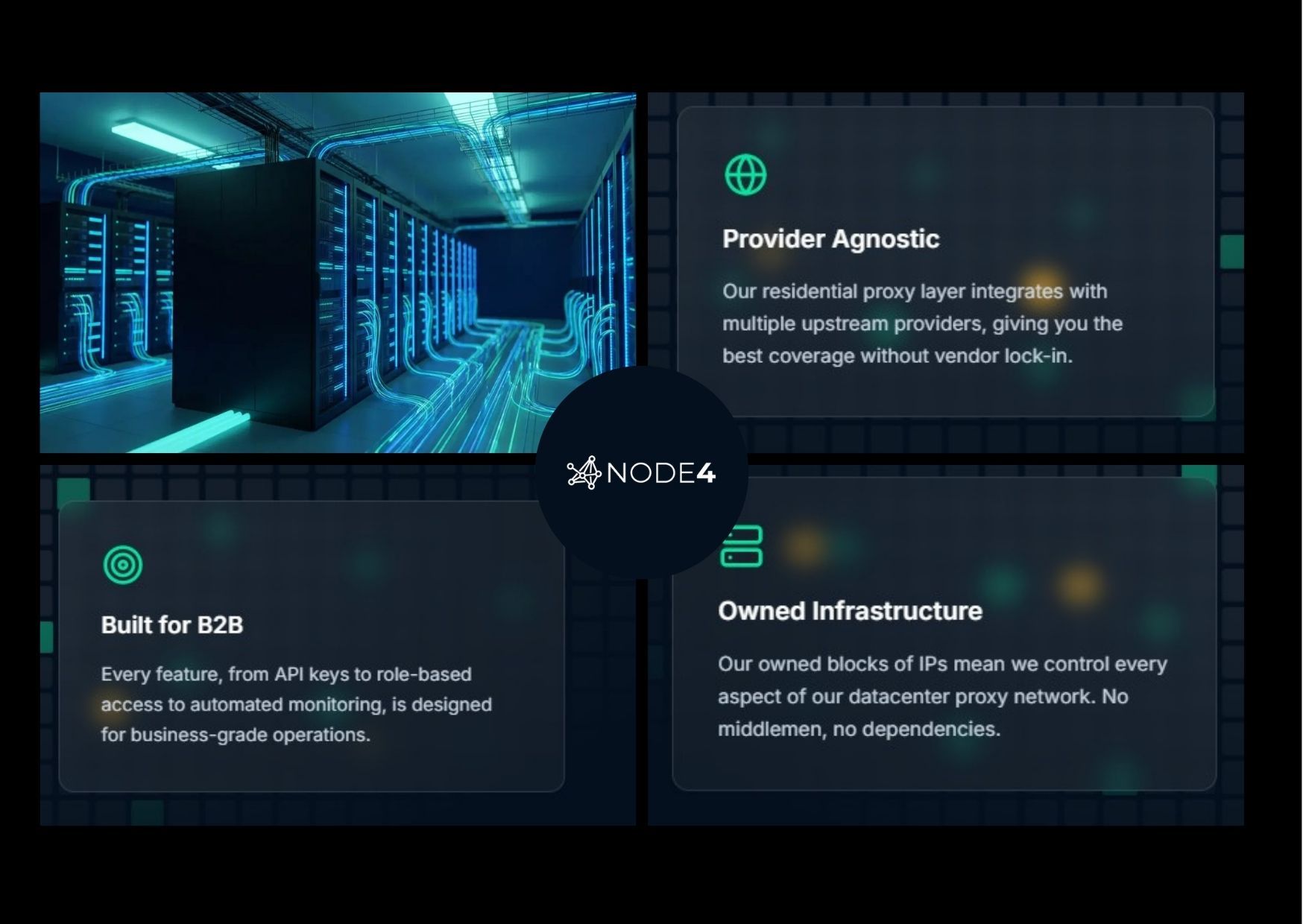
Buying the right rotating infrastructure can directly improve the quality of brand discovery by keeping access stable and reducing detection friction. Focus on performance, rotation behavior, and proxy type fit—especially when you need both consistency and breadth in research. When you align your proxy strategy with your collection workflow, you can gather more complete signals and spend less time handling access failures. For a practical path forward, consider a provider that designs for speed, stability, and convenience, such as node4.io. With the right setup, you can explore online presence more reliably, compare results across contexts, and maintain a workflow that scales without constant rework. Choose a solution that supports your data collection goals and helps you stay productive from the first tests onward.