
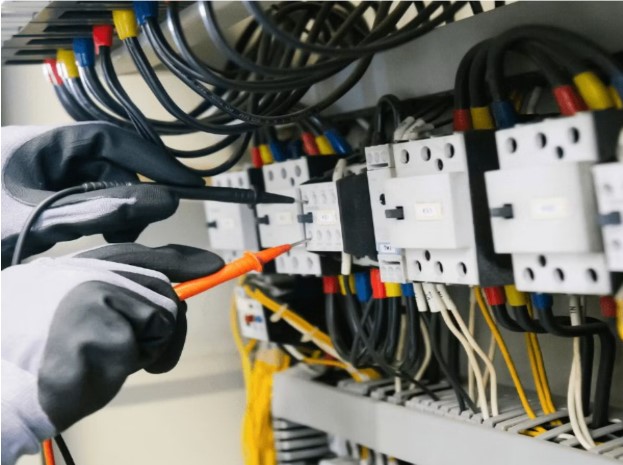
Installing an electrical system is one of the most crucial steps in any construction project, whether it’s for a home, office, or industrial facility. A properly designed and installed electrical setup ensures safety, efficiency, and long-term reliability. However, the process involves more than just wiring and switches—it requires careful planning, professional expertise, and compliance with electrical codes.
Here are five important factors to consider when installing electrical systems.
1. Get Industrial Electrical Estimation Services
When working on large-scale or commercial projects, accurate budgeting is key. Hiring industrial electrical estimation services helps you forecast the total cost of labor, materials, and installation before beginning the project. Professional estimators evaluate blueprints, site conditions, and energy requirements to provide an accurate cost breakdown. This not only prevents overspending but also allows contractors and clients to plan efficiently.
Reliable estimation services ensure that every component—from power distribution to lighting—fits within your financial and technical framework. For industrial setups, this step is essential to avoid costly errors and delays down the road.
2. Hire a Certified Residential Electrician for Home Projects
If you’re installing or upgrading electrical systems in your home, always hire a certified residential electrician. Certified professionals are trained to follow local electrical codes and safety standards, ensuring the installation is done right the first time. They can help with wiring, circuit installations, panel upgrades, and energy-efficient solutions tailored to your home’s layout.
Certified electricians also provide safety inspections to identify potential hazards, protecting your family and property from electrical fires or shocks. Choosing a licensed expert guarantees peace of mind and ensures your system passes any necessary inspections without issues.
3. Consider Future Power Needs
When planning an electrical system, think long-term. Your power requirements may grow as you add new appliances, equipment, or technologies. Designing a flexible system with spare circuit capacity and easy upgrade options can save you from costly renovations later.
Future-proofing your setup also includes installing energy-efficient fixtures and smart home systems to accommodate evolving technology.
4. Prioritize Safety and Compliance
Safety is the most critical factor in electrical installations. Always ensure that your wiring, grounding, and circuit breakers meet national and local electrical codes. Using certified materials and equipment reduces the risk of electrical fires and short circuits.
Routine inspections and maintenance should also be scheduled to detect wear and tear early, keeping your system safe and compliant.
5. Use High-Quality Materials and Components
Investing in high-quality cables, outlets, and circuit breakers ensures better performance and longevity. Cheap or counterfeit components can lead to malfunctions and increase the risk of fire or electrical failure. Always source your materials from reputable suppliers who meet industry standards.
While high-quality materials might cost more initially, they pay off in the long run with fewer breakdowns and repairs.
Conclusion
Installing an electrical system requires careful planning, technical precision, and professional expertise. From hiring electrical estimation services for accurate budgeting to working with a certified electrician for safe home installations, each step plays a vital role in ensuring your electrical setup runs efficiently and safely. By focusing on quality, safety, and future needs, you can build a system that stands the test of time while providing reliable power for years to come.